English| EUR
Suggested for you
More currencies
Book Now

Palm Jumeirah Tickets

One reclaimed island holding an aquarium, a rooftop infinity pool, a 240-metre viewing deck and the Arabian Gulf.

Explore Attractions
120M m³
Sand dredged
for island foundation
7M tons
Rock used
from Hajar Mountains
17
Fronds built
plus trunk and crescent
56km
Coastline added
to Dubai's shore
2001
Construction start
year
2007
First residents
arrived
Destination guide

Why Visit Palm Jumeirah?

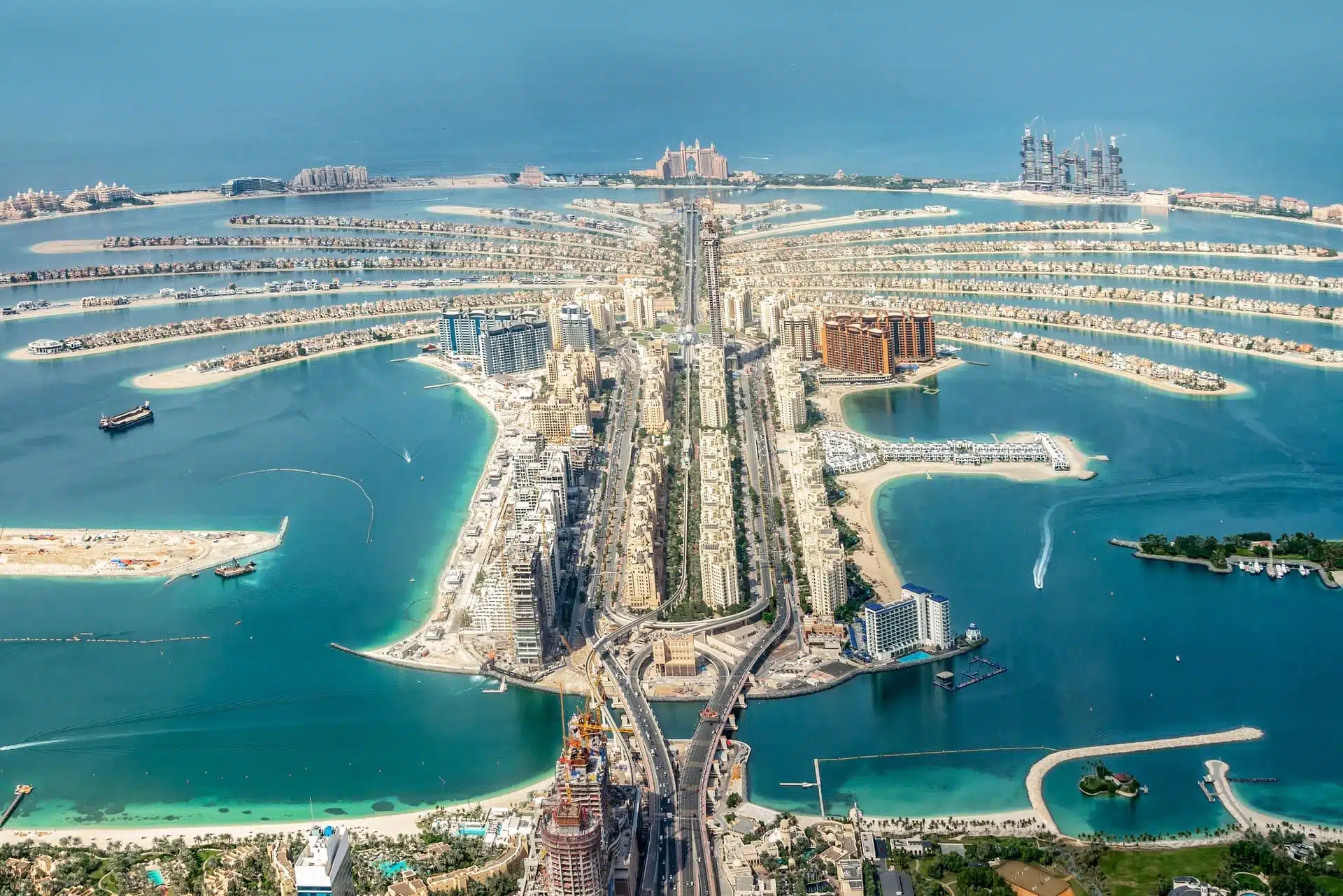
Palm Jumeirah did not exist a generation ago. The land beneath every hotel, restaurant and viewing platform was dredged from the seabed and shaped into a palm tree large enough to read from orbit, a silhouette now as recognisable as any natural coastline.

Read more Show less

That origin story sits in the background of a modern visit; what a traveller meets today is not a construction site but a fully settled district where the sea has been folded into daily life.

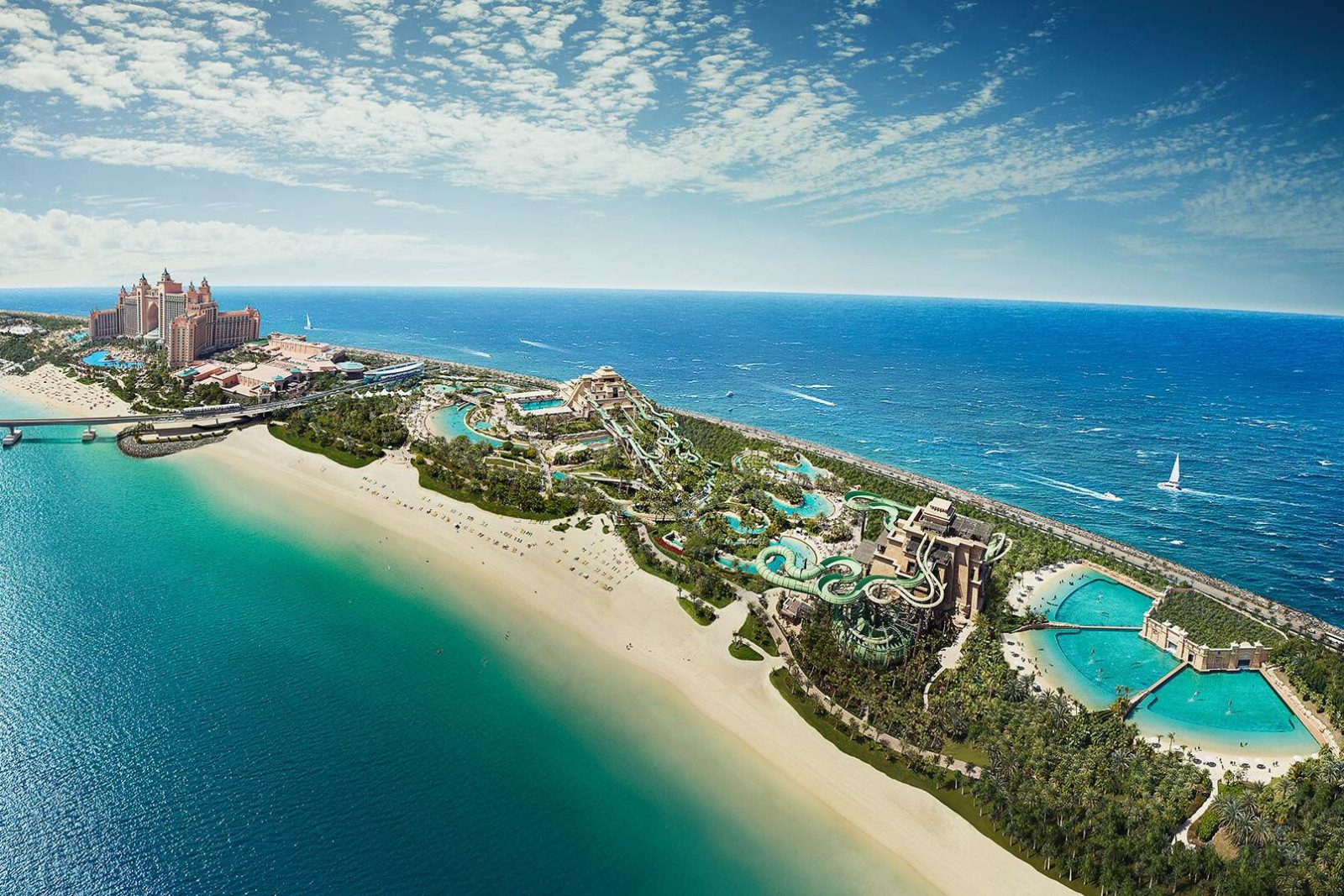
The island reads as a single itinerary stretched across water. The View at the Palm lifts visitors to an observation deck on the trunk, where the fronds fan out below and the Dubai Marina towers crowd the horizon. Out on the crescent, Aquaventure Waterpark and the Lost Chambers Aquarium turn the theme of water into spectacle, one through record-height slides and a shark lagoon, the other through glass tunnels walked beneath rays and groupers. Above the rooftops, the Aura Skypool offers a 360-degree infinity edge, while helicopter tours redraw the whole palm from the air. Securing Palm Jumeirah Tickets in advance is how most visitors thread these separately gated attractions into one unbroken day.

What defines the place now is compression. Landmarks that would sprawl across a normal city sit within a few kilometres of one another, linked by a trunk boulevard and the elevated monorail that runs its spine. This density is why the destination rewards planning: a morning underwater, an afternoon on a jet ski or a yacht cruise past the crescent, an evening on a skyline terrace. Palm Jumeirah Tickets tours are built around exactly this kind of layering, and skip-the-line Palm Jumeirah entry keeps the transitions short.

The audience is broad by design. Families gravitate to the waterpark and aquarium; couples toward the pools, cruises and elevated dining; photographers toward the observation deck and the helicopter seat, where the island's geometry finally makes visual sense. Among Dubai landmarks the Palm is the one you experience from four vantages at once — beneath the water, at sea level, on a high deck and from the sky. Whether the plan runs to a single headline sight or a full Palm Jumeirah Tickets tour, and however a Palm Jumeirah Tickets tickets bundle is assembled, the island tends to reward those who treat it as one connected place rather than a scatter of separate stops.

“Among Dubai landmarks the Palm is the one you experience from four vantages at once — beneath the water, at sea level, on a high deck and from the sky.”

Attractions in One Island

Aquaventure

The Palm packs a waterpark, aquarium, viewing deck and rooftop pool into a single reclaimed archipelago you can cross in minutes.

Views From Every Angle

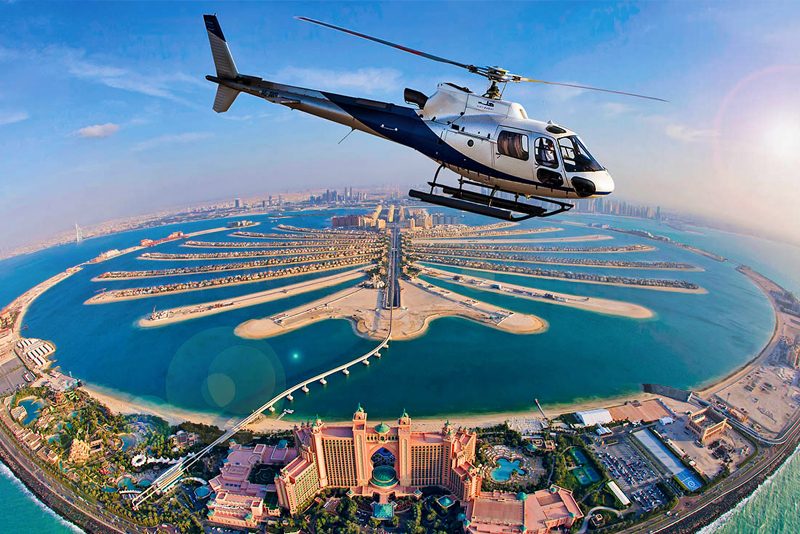
The View at the Palm looks down the fronds while helicopter tours and yacht cruises frame the island from air and sea.

Water at the Centre

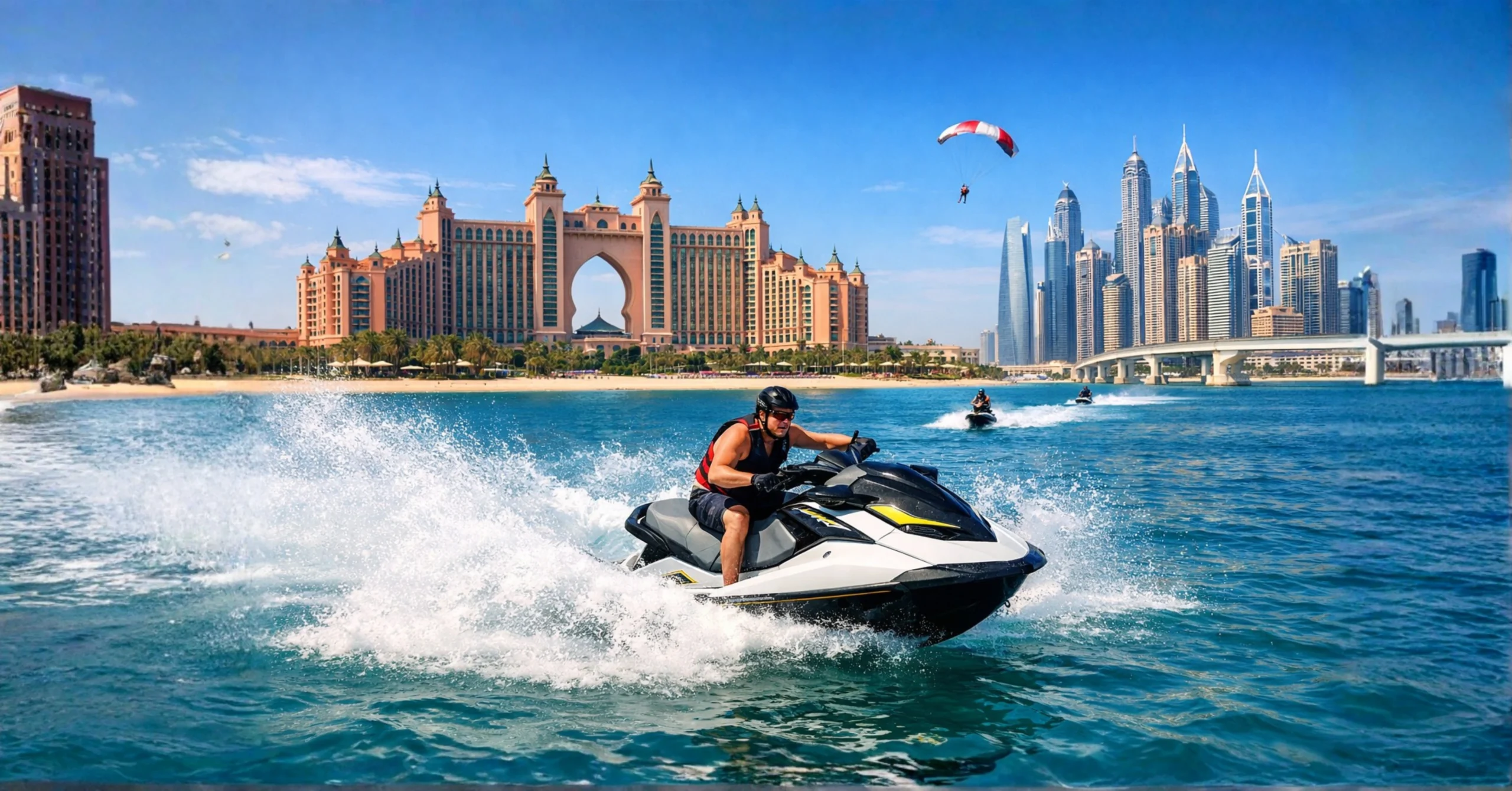
Jet skis, cruises and record-height slides put the warm Arabian Gulf at the heart of almost every visit.

Most popular

Top attractions in Palm Jumeirah

The attractions on Palm Jumeirah split cleanly into three appetites: heights, water, and the sea itself. Some pull you up for the long view, others drop you into pools, aquariums, or the wake of a jet ski. Choose by what you want your body doing that afternoon, whether that is floating, plunging, gawking at marine life, or watching the island shrink beneath you. Bundling two or three keeps a single visit varied without doubling back, and most sit close enough that the day flows from one to the next.
Palm Jumeirah Combo Tickets Combo

Palm Jumeirah Combo Tickets

Pair the biggest draws, typically Aquaventure with The View or Lost Chambers, into one bundled pass that trims cost and planning for a packed day.

From €47.05 View guide
Aura Skypool Tickets Skypool

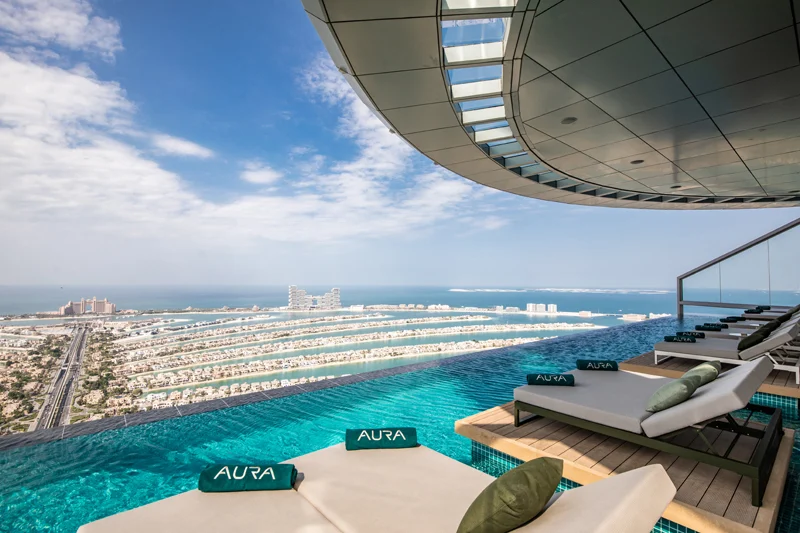
Aura Skypool Tickets

Swim the 360-degree infinity pool on the 50th floor of The Palm Tower, circling open water and skyline with a drink from the poolside bar.

From €237.57 View guide
Jet Ski & Water Sports at The Palm Watersport

Jet Ski & Water Sports at The Palm

Ride a jet ski along the crescent for a sea-level angle on the Atlantis skyline, with wakeboarding, flyboarding, and parasailing offered from the same launch.

From €38.75 View guide
Palm Jumeirah Helicopter Tours Air Tour

Palm Jumeirah Helicopter Tours

Lift off for an aerial pass over the fronds, crescent, and Burj Al Arab, seeing the palm's shape whole in a way no ground-level spot reveals.

From €168.46 View guide
Lost Chambers Aquarium Tickets Aquarium

Lost Chambers Aquarium Tickets

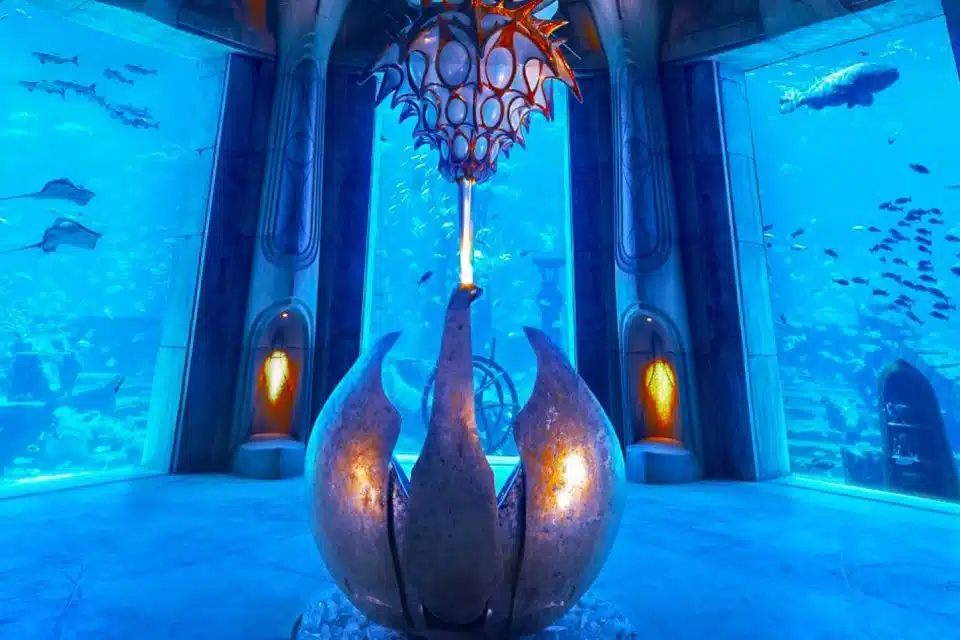
Wander sunken-city tunnels past rays, sharks, and 65,000 marine animals, with feeding sessions and a behind-the-scenes look at the ruins-themed tanks.

From €31.76 View guide
Palm Jumeirah Yacht Cruises Cruise

Palm Jumeirah Yacht Cruises

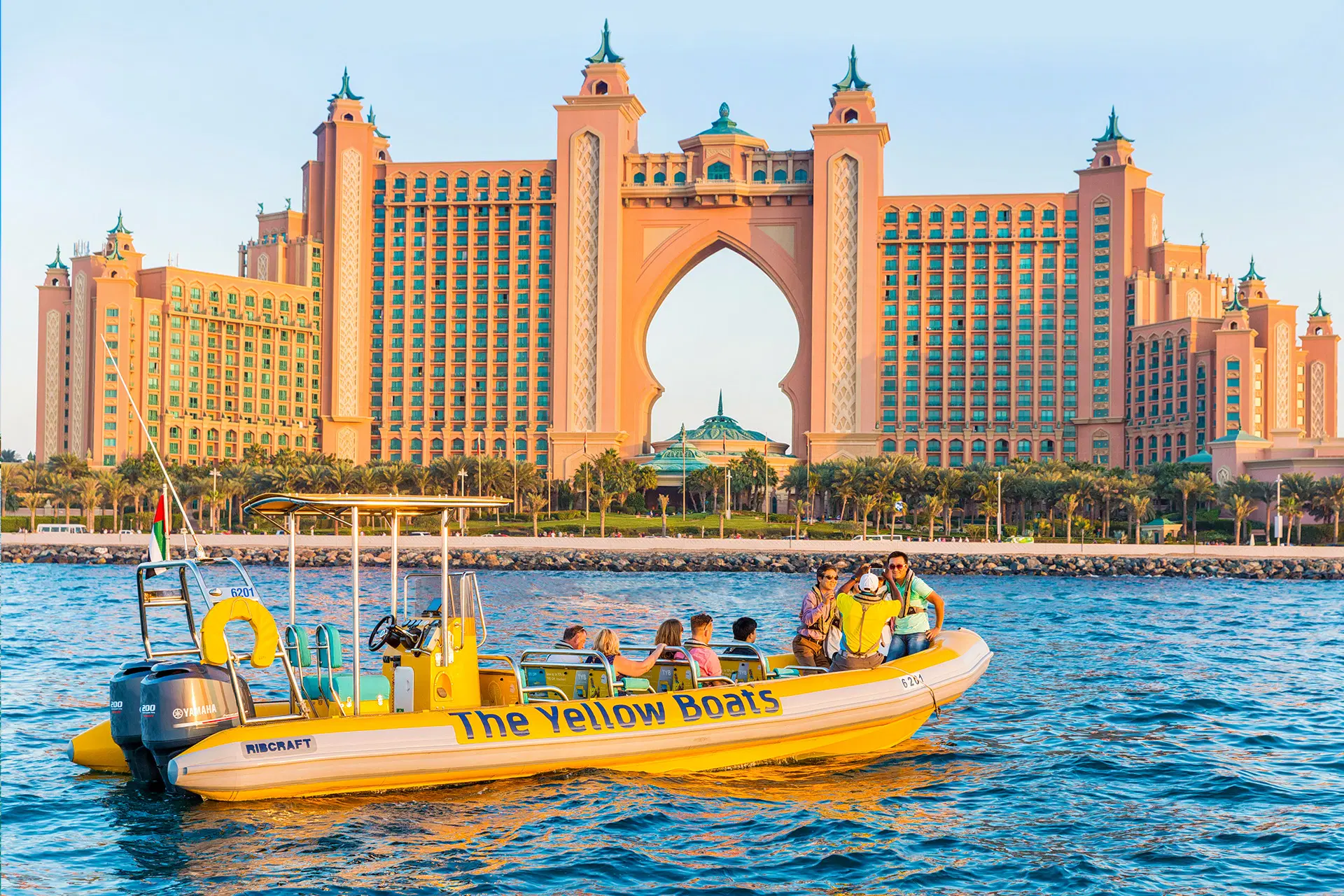
Cruise the crescent lagoon aboard a private or shared yacht, passing the frond villas and marina with swim stops and sundowner sailings on offer.

From €21.6 View guide
Atlantis Aquaventure Waterpark Tickets Waterpark

Atlantis Aquaventure Waterpark Tickets

Record-setting slides, a shark-filled Leap of Faith drop, a private beach, and river rapids across two towers make this the island's biggest full-day water playground.

From €49.4 View guide
The View at The Palm Tickets Viewpoint

The View at The Palm Tickets

Ride to the 52nd-floor observation deck for a 360-degree look down the full frond pattern, with a glass-floor section and the crescent hotels laid out below.

From €237.57 View guide

All Attractions

Day plans

Palm Jumeirah Tickets: 1-Day, 2-Day and Weekend Itineraries

Palm Jumeirah packs its main attractions along a compact stretch, so you can build a plan around how much time you have rather than long transfers. Use the half-day plan if you are here for one afternoon, the full day to combine water and views, and the 2-day version to spread out the same sub-pages with free boardwalk and dining stops in between.

1
Afternoon

The View at The Palm

Ride to the level 52 observation deck for the fronds-and-crescent panorama; budget about 60-90 minutes including the queue.

View guide
2
Afternoon

The Boardwalk

Walk the crescent boardwalk for open-air Atlantis and skyline views; a free 20-30 minute stroll with no ticket needed.

3
Evening

The Pointe

End at this waterfront dining strip for dinner facing the Atlantis fountain show; a mid-range meal runs AED 60-100 per person.

1
Morning

Atlantis Aquaventure Waterpark

Start early for the slides and rapids before crowds build; plan on 4-5 hours and pack a change of clothes.

View guide
2
Afternoon

Lost Chambers Aquarium

Dry off inside the aquarium next door, walking the sunken-ruins tunnels in about 60-90 minutes.

View guide
3
Evening

The View at The Palm

Time your deck visit for late afternoon to catch the shift from daylight to city lights; book a slot to skip the standby line.

View guide
1
Morning

Palm Jumeirah Yacht Cruise

Board a morning cruise around the crescent for waterline views of the fronds and Atlantis; trips typically run 90 minutes to 2 hours.

View guide
2
Morning

Jet Ski & Water Sports

Add a jet ski session from the same marina area if you want a faster ride past the skyline; sessions usually run 30-60 minutes.

View guide
3
Afternoon

The Pointe

Break for lunch on the waterfront between the water activities and your evening stop.

4
Evening

Aura Skypool

Finish at the rooftop skypool for a 360-degree sunset view; reserve ahead and allow 2-3 hours to swim and settle in.

View guide
Where to go

Palm Jumeirah Tickets by Zone: Trunk, Fronds and Crescent Explained

Palm Jumeirah splits into three zones that a ticket-holder actually needs to tell apart: the Trunk, the Fronds and the Crescent. Each has a distinct job — shopping and dining, private villas, or headline resort attractions — which determines where a given ticket physically sits and how much of the island a visitor will cross to reach it.

The Trunk

Best for: First-timers · malls & dining

The central spine holds Nakheel Mall, the Golden Mile strip of cafes and restaurants, and the Palm Monorail's mainland-side stations. Most day-trippers pass through here first, since it's the retail and dining base before heading further out to the Crescent.

The Fronds

Best for: Skip · residents only

Seventeen residential branches lined with private villas and gated communities, with no public beaches, shops, or attractions open to visitors. There's little reason for a ticket-holder to detour here, as access is restricted to residents and their guests.

The Crescent

Best for: Sightseers · ticketed attractions

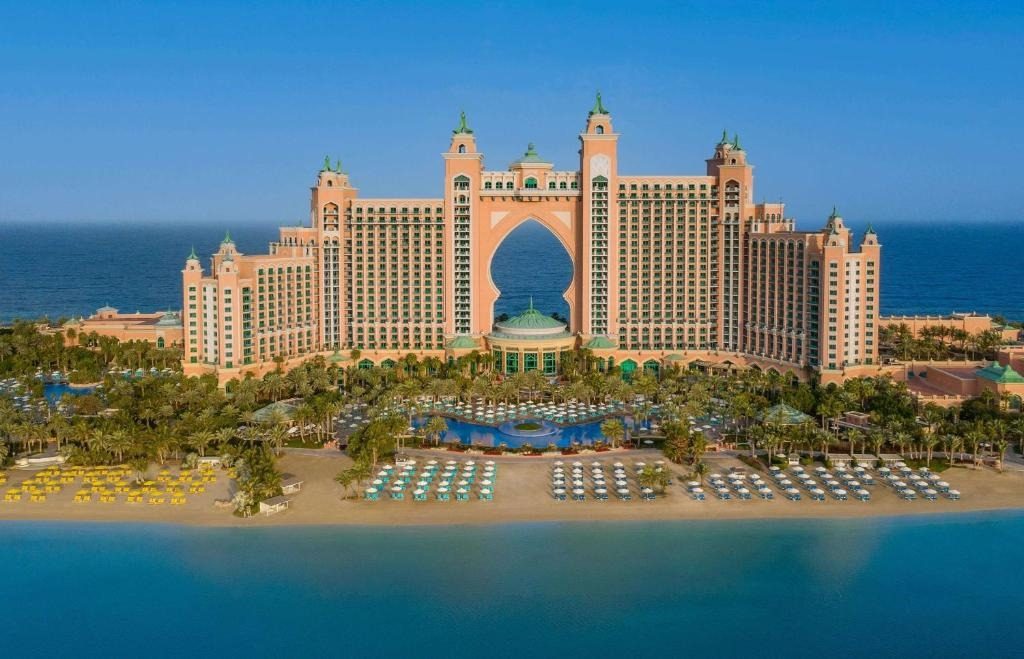
The outer breakwater arc carries the big-ticket resort attractions: Atlantis The Palm with Aquaventure Waterpark, Atlantis The Royal's Aura Skypool, and The View at The Palm observation deck. This is where most paid attraction tickets actually take visitors, reached via the subsea tunnel or monorail's end station.

Atlantis The Palm area

Best for: Waterpark · family attractions

The resort complex anchoring the Crescent's midpoint, built around the waterpark, aquarium, and a cluster of restaurants and beach clubs open to day visitors. It functions as a self-contained attraction hub rather than a neighborhood to wander between stops.

The View at The Palm (Palm Tower)

Best for: Quick visit · skyline views

A standalone observation deck at the base of the Trunk where it meets the Crescent, offering an elevated look back across the fronds and skyline. It suits visitors who want one quick, self-contained sight rather than a full resort day.

Getting around

Getting Around for Palm Jumeirah Tickets: Monorail, Taxi and Tram

Palm Jumeirah runs on a small, fixed set of options: one monorail line down the trunk, a tram/metro link to reach the island, and taxis or ride-hail apps for anything off those routes.

Monorail

from AED 10 one-way

The Palm Monorail is Nakheel's driverless line running from Gateway Station at the trunk's base up to Atlantis Aquaventure Station, calling at Al Ittihad Park, Nakheel Mall and The Pointe along the way. It's the only way to cover the trunk end-to-end without a car, with the full run taking about 10 minutes.

Tram

AED 3.00-7.50 per Nol Silver ride

Dubai Tram links Dubai Marina and Al Sufouh to Palm Gateway Station, making it the standard connector from the mainland transit network onto the island itself. Pair a Nol card tap here with the monorail transfer at Gateway to get from the metro corridor onto the Palm without a taxi.

Metro

AED 3.00-7.50 per ride, Nol Silver

The Red Line's Dubai Internet City and Nakheel Metro stations are the jumping-off points for Palm Jumeirah, with onward travel by tram to Palm Gateway then monorail to reach the trunk or Atlantis. Budget time for the two transfers rather than expecting a direct metro stop on the island.

Taxi

AED 12 minimum fare, AED 2.19 per km

Metered RTA taxis and ride-hail apps (Careem, Uber) are the practical option for reaching individual hotels or fronds, since the monorail only serves trunk stations and doesn't reach frond addresses. Drivers know the island well, but expect slower going at the Palm's single access road during peak hours.

Walking

no fare

The trunk is walkable between monorail stations in short stretches, especially around Nakheel Mall and The Pointe, but distances add up fast on a palm-shaped island built for vehicles. Fronds are effectively unwalkable from the trunk given their length and lack of pedestrian paths.

From the airport: From DXB, the Metro Red Line plus a tram and monorail transfer takes roughly 35-40 minutes and costs AED 7.50-8.50, while a taxi runs about 35-45 minutes for AED 100-140 including the airport surcharge. From DWC, there's no practical direct transit link, so a taxi covering roughly 40-50 minutes at AED 120-170 is the standard option.

When to go

Best Time for Palm Jumeirah Tickets: Season and Time of Day

December through February brings the coolest air and the largest crowds, so travelers who want calm boardwalks and thinner lines without giving up comfortable temperatures should aim for November or March instead.

November-March

Daytime highs 25-30°C, cool evenings, low humidity

Peak, especially Dec-Jan

The Nov-March window matches the destination's peak season, with warm days and mild nights suited to outdoor decks, beach clubs and boardwalk walks; December-January adds Dubai Shopping Festival crowds and the highest hotel and activity prices of the year.

April-May

Warming fast, daytime highs 32-37°C Moderate, thinning steadily

Mornings stay pleasant enough for water activities and outdoor viewpoints, but midday heat builds quickly, and this shoulder period brings lower prices than peak winter.

June-September

Brutal heat, daytime highs 39-41°C, high humidity Lowest, sparse

Outdoor time is best limited to early morning or after sunset since midday heat makes walking exposed stretches uncomfortable; this is the cheapest and quietest stretch of the year for indoor-focused visits.

October

Cooling begins, daytime highs around 36°C Rising ahead of winter

A transition month where early mornings suit water-based outdoor activities and late afternoon suits west-facing viewpoints at sunset, before November ushers in the comfortable season fully.

With kids

Planning Palm Jumeirah Tickets for Families with Kids

Palm Jumeirah works well for families once you split the island mentally into two zones: the flat, paved trunk road area near Nakheel Mall, and the longer stretches out toward the crescent hotels that ask more of small legs.

Strollers

The trunk's sidewalks near Nakheel Mall and the Boardwalk are flat and paved, easy for a stroller. The crescent side involves longer, more exposed walkways between hotel plots, so a carrier is worth packing as backup for toddlers who tire of the stroller.

Heat and hydration

Outdoor stretches have little shade midday, so carry water bottles and refill at cafes rather than relying on kids to ask. A wide-brim hat and reapplied sunscreen matter more here than on shaded city streets.

Age fit for sub-pages

Boardwalk and beach-access pages suit toddlers and younger kids who just need sand and open space. Water parks and adventure-style attractions on the crescent are better matched to school-age kids and teens with more stamina for queues and longer transfers.

Food with kids

Casual, kid-tolerant cafes cluster around the trunk and Nakheel Mall, useful for a mid-walk break. Crescent hotel restaurants tend to be quieter and more formal, so check a venue's tone before booking with young children.

Downtime

Build in a shaded or air-conditioned break every couple of hours, since the open sightlines that make the island distinctive also mean fewer shady benches than a typical city park.

The story

The Story Behind Palm Jumeirah Tickets: How the Island Was Built

The story behind Palm Jumeirah Tickets begins in 2001, when the state developer Nakheel broke ground on a wager against the Gulf itself. The plan was audacious in method. No steel formed the island's skeleton. No concrete poured its foundations. Dubai would build land from the sea using only sand and rock. Dredgers drew roughly 94 million cubic metres of sand from the seabed. Engineers sprayed it into shape through a technique called rainbowing, arcing the slurry across open water. GPS satellites guided every deposit, correcting the arc to within centimetres. First came the crescent breakwater, a rock barrier laid to still the waves. Behind it, the trunk and seventeen fronds took form. This vibro-compaction of loose sand, densified against earthquakes, explains the layout visitors trace today on Palm Jumeirah landmarks tours. The frond geometry was engineering, not ornament. It maximised waterfront shoreline. Handover reached the first residents across 2006 and 2007, and the shape that satellites once photographed as an experiment became a neighbourhood. Many who book Palm Jumeirah Tickets tours arrive expecting a resort and leave having stood on manufactured ground. The Atlantis resort anchored the crescent by 2008. A monorail, the region's first, threaded the trunk. What survives of this reclamation saga is the island underfoot: every villa, every promenade rests on compacted seabed. Guided Palm Jumeirah Tickets tour routes still pause where the breakwater meets open water, the exact seam between engineered land and Gulf. That visible edge is the reason skip-the-line Palm Jumeirah Tickets tickets sell to travellers curious how a map became a place.

2001

Nakheel begins reclamation, dredging Gulf seabed to build the island from sand and rock

2004

The crescent breakwater is completed, sheltering the fronds from open-water waves

2006

Vibro-compaction finishes and the first residents begin taking handover of frond villas

2007

Handover of homes across the trunk and fronds largely concludes

2008

The Atlantis resort opens on the crescent, anchoring the island's seaward edge

FAQ

Palm Jumeirah — frequently asked questions

Ready to Explore?

Choose from amazing attractions and create unforgettable memories in this beautiful city

Book Your Experience Now